Guide
Boxing Glove Size Chart: Oz by Weight and Use
Boxing glove size chart by body weight and use, what oz actually means, how to measure your hand, and the fit test that saves you a return.
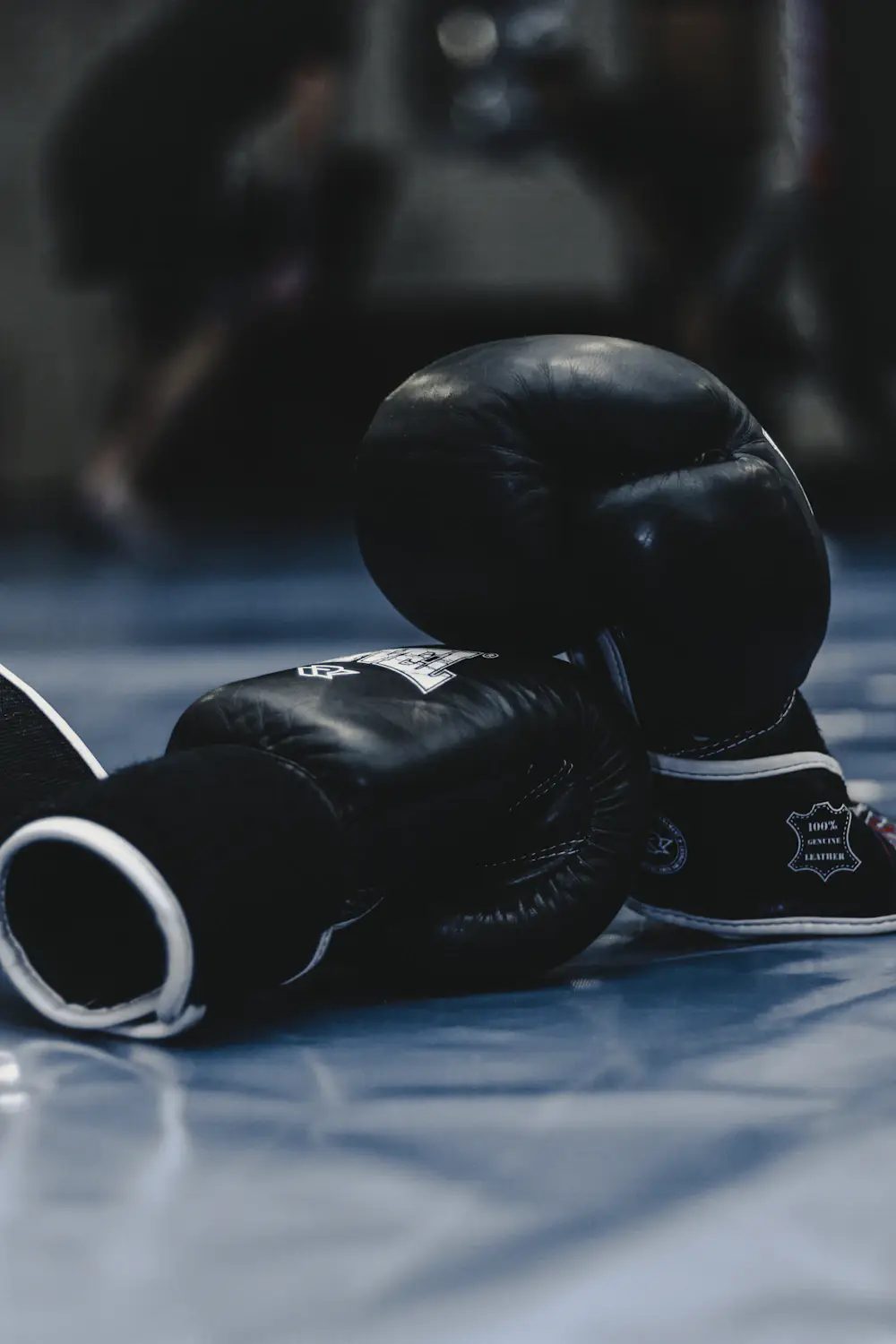
Most size charts online tell you what ounces to buy and stop there. That leaves out the part that actually gets people returning gloves: ounces are a weight, not a hand size, and two gloves at the same weight can fit nothing alike.
Here is the chart, then everything the chart cannot tell you.
| Your body weight | Bag & mitts | Training | Sparring | Amateur competition |
|---|---|---|---|---|
| Under 110 lbs (50 kg) | 8 oz | 10 oz | 12–14 oz | 10 oz |
| 110–132 lbs (50–60 kg) | 10 oz | 12 oz | 14–16 oz | 10 oz |
| 132–154 lbs (60–70 kg)Top pick | 12 oz | 12 oz | 16 oz | 10 oz |
| 154–176 lbs (70–80 kg) | 12–14 oz | 14 oz | 16 oz | 12 oz |
| 176–198 lbs (80–90 kg) | 14 oz | 16 oz | 16 oz | 12 oz |
| Over 198 lbs (90 kg) | 16 oz | 16 oz | 16–18 oz | 12 oz |
The short version
Your body weight sets the ounces. What you hit adjusts them. Heavier boxer, more padding. And the moment you are hitting a person instead of a bag, go up to 16 oz.
Buying one pair to start with, and planning to train at a gym? Buy 16 oz. You can work a heavy bag in them all day. The reverse does not hold — no coach is going to let you spar in 10s.
What “oz” actually measures
An ounce is 28.35 grams. On a glove, it is the total weight of the glove, and almost all of that weight is foam.
That is the whole misunderstanding in one line: you think you are picking a hand size, and you are picking an amount of padding. More ounces means more absorption — for your knuckles, and more importantly for whoever is in front of you.
Three things follow from that:
- Ounces say nothing about width. Two 12 oz gloves from different brands will not feel the same on your hand. This is why the chart alone is not enough.
- Heavier gloves tire you out faster. That is often the point — plenty of fighters train in 16s so competition feels light.
- Heavier gloves are slower. Not a defect in sparring, where control is the goal.
What each weight is actually for
| Ounces | Weight per glove | Mostly used for |
|---|---|---|
| 4–6 oz | 4–6 oz | Kids |
| 8 oz | 8 oz | Pro competition, lighter divisions |
| 10 oz | 10 oz | Amateur competition, bag work for lighter builds |
| 12 oz | 12 oz | The all-rounder: bags, mitts, technique |
| 14 oz | 14 oz | Mixed training, light sparring |
| 16 oz | 1 lb | The gym sparring standard |
| 18–20 oz | 18–20 oz | Heavyweights, or heavily controlled sparring |
12 oz and 16 oz account for most of what gets sold, and that makes sense — they are the only two sizes a regular trainee genuinely needs.
Measuring your hand
Wrap a tape measure around your dominant hand at the knuckles, across the palm, thumb excluded. Make a loose fist while you do it.
Rough guidance: under 7 inches is a narrow hand, 7 to 8 inches is average, over 8 inches is wide. This will not tell you which ounce to buy — it tells you whether to trust a brand’s chart. A narrow hand in a wide-cut glove floats no matter how many ounces you picked.
There is no industry standard here. Brands cut their gloves differently and none of them publish an internal width. Which is why the next section matters more than this one.
The fit test, done on arrival
Do it with your hand wraps already on. A glove tried on bare will feel a half-size larger than it really is. Keep the packaging until all five checks pass.
If your hand floats, size down. If your fist will not close, size up. A glove that is too big is more dangerous than one that is too small — your hand moves inside it on impact, and that is exactly how wrists get hurt.
Women’s and kids’ sizing
The ounce math does not change by gender. Body weight sets the ounces, full stop.
For women, what changes is the cut — women’s models are generally narrower across the palm and tighter at the wrist at the same weight. A narrow hand in a standard cut floats, and wrist support becomes theoretical. If you have larger hands, nothing obliges you to buy the narrow cut.
For kids, drop down, and use weight rather than age as the guide:
| Rough age | Weight | Ounces |
|---|---|---|
| 4–7 | Under 55 lbs | 4 oz |
| 8–10 | 55–77 lbs | 6 oz |
| 11–13 | 77–99 lbs | 8 oz |
| 14+ | Over 99 lbs | 10 oz, then the adult chart |
Kids outgrow gloves long before they wear them out. Buy the size that fits today — an oversized glove protects nothing and puts them off the sport.
Brand charts disagree, and that is normal
Venum, Everlast, Rival, Cleto Reyes and Title do not publish the same weight-to-ounce mapping, and their cuts differ at identical weights. A “medium” in one brand is not a medium in another, because there is no medium — there is only an ounce number and an unpublished internal width.
Practical rule: read the manufacturer’s chart in addition to this one, then let the fit test decide. The label is a starting point, not an answer.
What to remember
Body weight gives you the ounces, use adjusts them, the fit test settles it. If you take one thing away: one pair to start means 16 oz — it covers bags and sparring, and it will not get you sent back to the locker room.
Two mistakes to avoid, in order. Picking ounces based on your skill level instead of your weight — a heavy beginner needs more padding, not less. And buying big “to be safe”, which is the fastest route to a wrist injury.
Once you know your size, picking the model comes down to cut, wrist support and budget: that is what our best boxing gloves comparison is for. And gloves do nothing without wraps underneath — see the full gear guide.
Frequently asked questions
What size boxing gloves should I get?
Start with your body weight for the ounces, then adjust for what you hit. A 155 lb boxer working the bag wants 12 oz; the same boxer sparring at a gym wants 16 oz. If you are buying one pair and plan to train at a gym, buy 16 oz — you can hit a bag with them, but no coach will let you spar in 10s.
What does oz mean on boxing gloves?
An ounce is 28.35 grams, and on a glove it tells you the total weight — which in practice means how much padding is in there. A 16 oz glove weighs about one pound. It says nothing about how wide the glove is, which is why two 12 oz gloves from different brands can fit completely differently.
Is 12 oz or 16 oz better?
12 oz if you are mostly hitting bags and mitts and weigh under 165 lbs. 16 oz the moment another person is on the receiving end — most gyms require it for sparring regardless of your weight, because the glove protects the other guy first. Plenty of people end up owning both.
How do I know if my boxing gloves fit?
Try them on with your hand wraps already on — bare-handed fitting will lie to you by half a size. Your fingers should reach the end without being crushed, your fist should close completely, your hand should not slide sideways once the strap is tight, and your wrist should not bend backward. If your hand floats, size down.
Do boxing gloves come in hand sizes?
Not usually. Gloves are sold by weight in ounces, not by hand circumference, and the internal width varies by brand rather than by a published size. Some brands cut narrow, some wide. Measure around your knuckles anyway — it tells you whether to trust a brand's chart or size around it.
Related reading
GearHeavy Bag vs Free-Standing Bag: Which to Buy
Heavy bag vs free-standing bag: noise, apartments, feel, cost and drilling compared. Which one actually fits your space, and what each one costs to set up.