Draft — this page is not indexed yet.
Comparison
Best Boxing Gloves: Tested Picks by Use
The best boxing gloves for bag work, sparring and beginners, tested on our own bag. Top pick, budget pick and what to avoid, with a size chart.
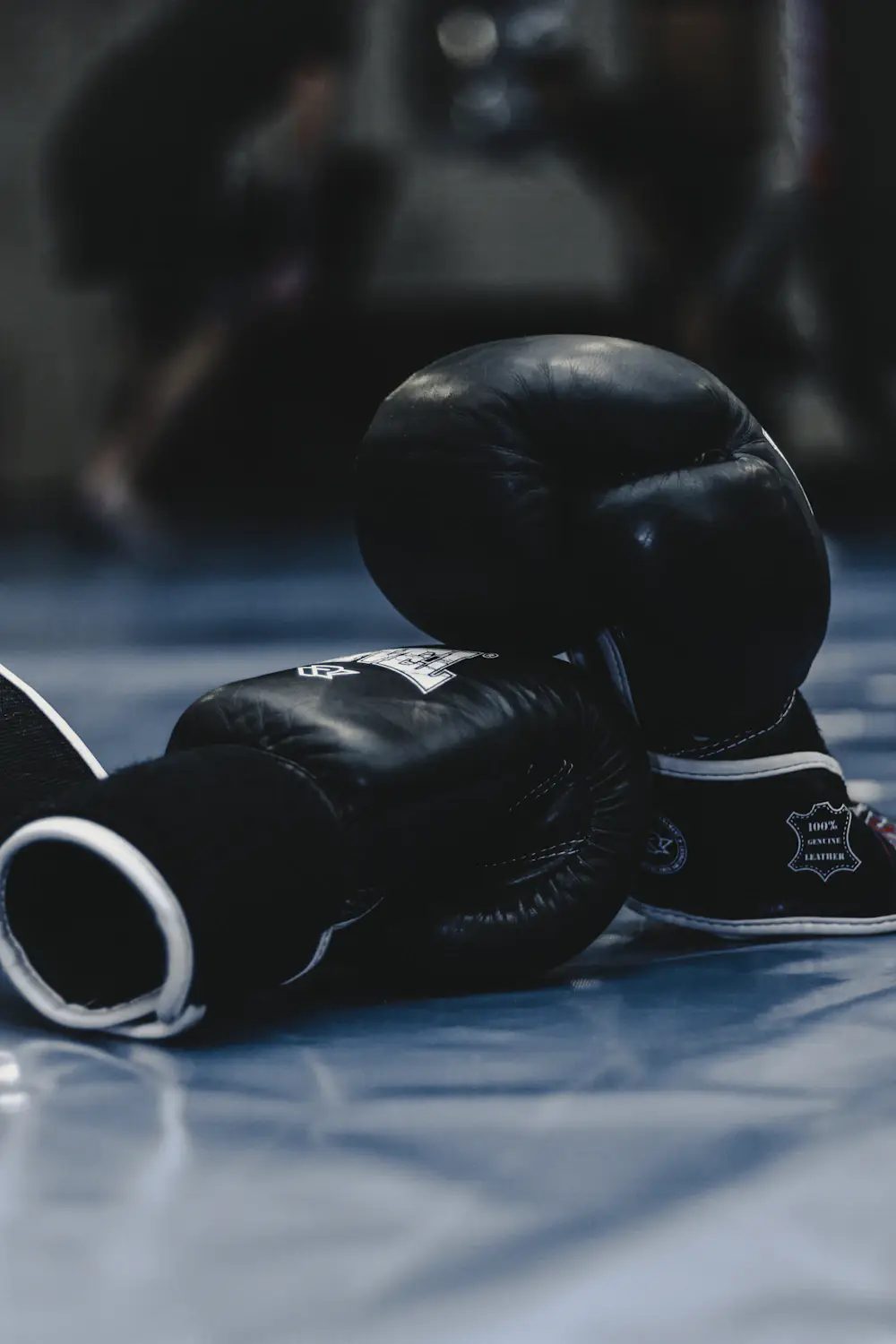
Most glove roundups compare padding and stitching. Neither is what sends gloves back — fit is, and fit is not printed on the box.
This comparison starts from what you actually do in a week, because the type of glove matters more than the brand on it.
The verdict, by what you train
One pair, training at a gym: 16 oz training gloves. They work on the bag, they work on the mitts, and they get you into a sparring session. Nothing else does all three.
Bag and mitts only, never a partner: 12 oz bag gloves if you weigh under 165 lbs, 14 oz above. Lighter, denser, and cheaper.
Regular sparring, three-plus times a week: dedicated 16 oz sparring gloves. Softer, thicker padding — the difference is for the person in front of you.
Competition: whatever your sanctioning body approves, and nothing else. An unapproved glove fails inspection regardless of quality.
| Glove type | Padding | Wrist support | Spar with them? | Typical price |
|---|---|---|---|---|
| Bag gloves | Light, dense | Minimal | No | $30–$60 |
| Training glovesTop pick | Balanced | Long strap | Yes | $60–$130 |
| Sparring gloves | Thick, soft | Long strap or laces | Yes, designed for it | $100–$220 |
| Competition gloves | Thin, firm | Laces | No | $90–$300 |
| Hybrid MMA gloves | Minimal, open finger | Wrap-around | No, different sport | $40–$90 |
What actually separates a good glove from a bad one
Four things, in the order they matter.
Wrist support. This is what prevents the injury that actually ends training blocks. A long hook-and-loop strap that wraps and crosses holds far better than a short tab. If a glove has a two-inch strap, it does not matter what else it does well.
Hand compartment width. Varies enormously between brands and is published by none of them. A wide hand in a narrow cut cannot close a fist properly; a narrow hand in a wide cut slides on impact. This is the number one cause of returns.
Padding construction. Injected single-piece foam holds its shape and protects consistently for longer. Layered foam breaks in more pleasantly and packs down sooner. Neither is wrong — layered feels better at six months, injected feels better at two years.
Material. Polyurethane covers nearly all entry and mid range now, and does it well: sweat-proof, cheap, no break-in. Leather lasts longer and moulds to your hand, at roughly double the price.
Things that matter less than the marketing suggests: ventilation panels, antimicrobial linings, and the athlete whose name is on the glove.
What to spend
| Tier | Price | What you get | Who it is for |
|---|---|---|---|
| Entry | $30–$60 | PU, layered foam, short strap | Trying the sport, a few months of bag work |
| Mid | $60–$130 | Better PU or entry leather, injected foam, long strap | Regular gym training |
| High | $150–$300 | Full-grain leather, hand stitching, long life | Competition, heavy use |
Three things worth saying plainly. The useful jump is entry to mid — that is where wrist support becomes real, and the gap in feel is larger than the gap from mid to high. High end does not protect better, it lasts longer and ages better. And a well-fitting cheap glove beats a badly fitting expensive one, which is why the size chart below matters more than this table.
Getting the size right first
Ounces come from your body weight; the fit comes from your hand. Both have to be right.
The short version: under 132 lbs, 10 oz for bag work; 132 to 176 lbs, 12 oz; above that, 14 to 16 oz. For sparring, 16 oz regardless of weight — most gyms require it, because the glove protects the other person first.
Then test the fit with your wraps on: fingertips reaching the end without being crushed, fist closing completely, no side-to-side movement once strapped, wrist held in line with the forearm.
The full chart, the hand measurement and the five-point fit test are in our boxing glove size chart.
Common mistakes
Buying bag gloves as a first pair. They are cheaper and lighter and they will get you turned away from sparring. Training gloves first, bag gloves later if you want them.
Sizing on skill level instead of body weight. A heavy beginner needs more padding, not less.
Buying big to be safe. A loose glove lets the hand move on impact. That is how wrists get injured.
Skipping hand wraps. Gloves absorb, wraps hold the metacarpals together and lock the wrist. They do different jobs, and the glove does not do the wrap’s job.
Never airing them out. Foam breaks down from the inside when a glove lives in a closed gym bag.
Our picks
6Venum Elite
The mid-tier default in most gyms.
Everlast Pro Style Elite
The most widely sold entry-mid glove in the US, and a wide cut. The candidate for larger hands.
Sanabul Essential
Direct-to-consumer pricing, heavily reviewed.
Hayabusa T3
Long dual-strap wrist closure — the feature this guide says matters most.
RDX F6 Kara
Budget end with a long strap on paper.
Fairtex BGV1
Thai cut, narrower and softer. The comparison point for hand width against Venum and Everlast.
What to remember
If you are buying one pair and training anywhere near other people, buy 16 oz training gloves with a long wrist strap, in the mid tier. That decision covers the first year and most of the second.
Judge a glove by wrist support and fit before padding or material, size the ounces on your body weight, and run the fit test with wraps on before you cut the tags.
Then get the rest of the kit in order — the full gear guide sets out what to buy and when.
Frequently asked questions
What are the best boxing gloves for beginners?
A pair of 16 oz training gloves with a long hook-and-loop wrist strap, in the $60 to $100 range. That single pair covers bag work, mitts and gym sparring, which is everything a beginner does for the first year. Buying bag gloves first is the common mistake — they will not get you into a sparring session.
How much should I spend on boxing gloves?
The useful jump is from entry level to mid range, around the $60 to $100 mark, where wrist support stops being decorative. Above roughly $150 you are buying leather, hand stitching and longevity, not more protection. A well-fitting $70 glove beats a poorly fitting $200 one every time.
Leather or synthetic boxing gloves?
Synthetic — polyurethane — dominates entry and mid range for good reasons: it shrugs off sweat, costs less and needs no breaking in. Leather lasts longer, moulds to your hand and ages better, at roughly double the price. For a first pair, synthetic is the sensible call.
How long do boxing gloves last?
A mid-range pair used two or three times a week typically lasts one to two years before the foam packs down. The replacement signal is not how they look, it is what you feel: the day you start feeling the hard surface of the bag through the padding, the protection is gone even if the glove looks fine.
Velcro or lace-up boxing gloves?
Velcro for anything you put on yourself, which is all training. Laces give better wrist support and a cleaner fit, but you need a second person to tie them and they cannot be adjusted mid-session. Save laces for competition.
Related reading
GearHeavy Bag vs Free-Standing Bag: Which to Buy
Heavy bag vs free-standing bag: noise, apartments, feel, cost and drilling compared. Which one actually fits your space, and what each one costs to set up.
Boxing Glove Size Chart: Oz by Weight and Use
Boxing glove size chart by body weight and use, what oz actually means, how to measure your hand, and the fit test that saves you a return.