Draft — this page is not indexed yet.
Comparison
Best Punching Bag: Heavy Bags for Home
The best punching bags and heavy bags for home: hanging, free-standing and wall-mounted compared by noise, space and feel. What to buy for your setup.
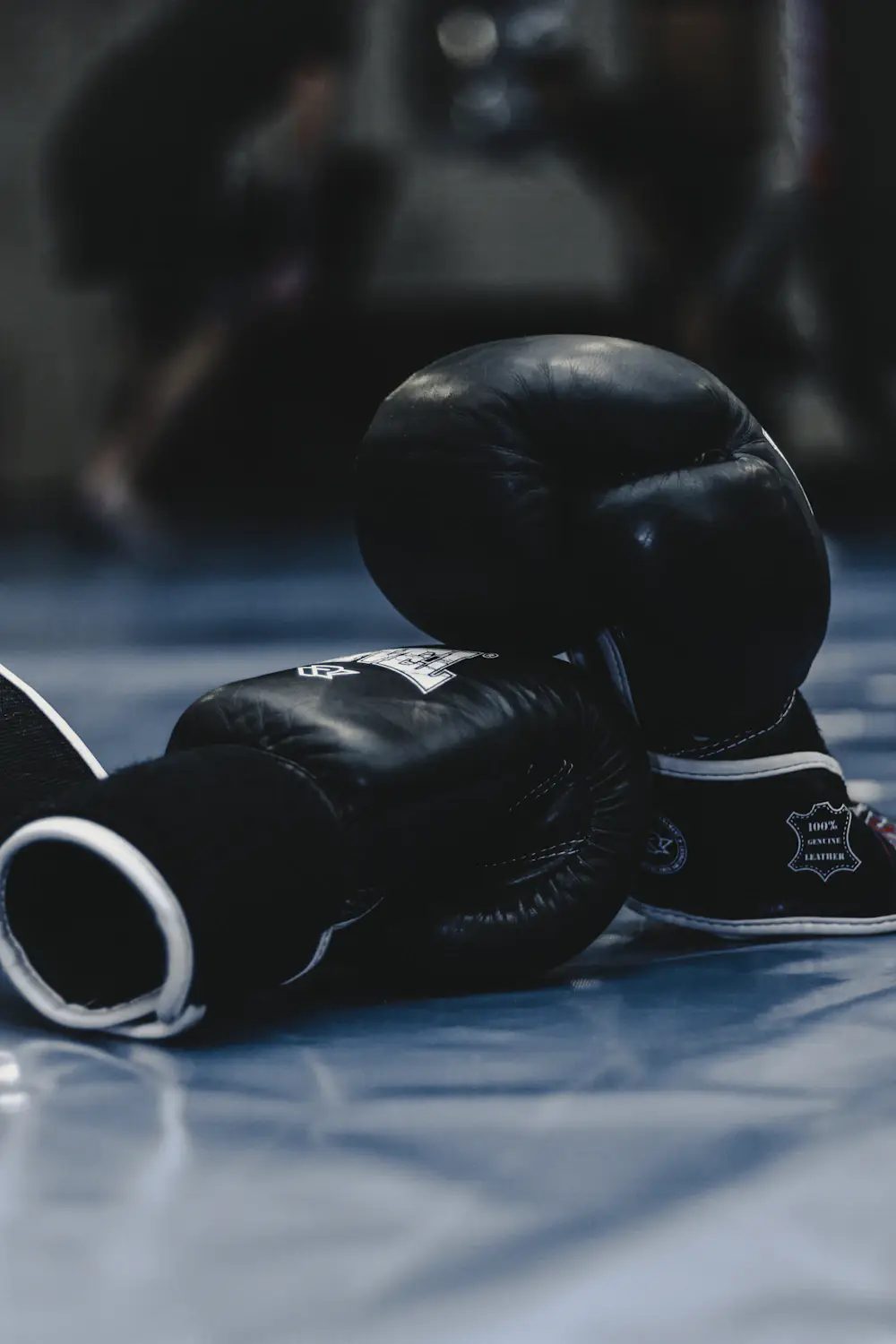
Bags rarely get chosen for their own qualities. They get chosen for what your ceiling, your lease and your neighbors allow — and getting that order backwards is how people end up with a free-standing bag sliding across the living room.
So this comparison starts from the constraint.
The verdict, by setup
You own the place and have concrete or an accessible joist: a hanging heavy bag. Cheapest all-in, longest life, and it moves the way a bag should.
You rent, or live in a condo: free-standing, base filled with sand, on rubber tiles. No drilling, no permission, and it comes with you.
Tight space and a load-bearing wall: wall-mounted. Zero floor footprint, some swing retained.
Not a first purchase: speed bags and double-end bags. Both are excellent and neither builds the base a heavy bag builds.
| Bag type | Drilling | Floor space | Noise | Feel | All-in cost |
|---|---|---|---|---|---|
| Hanging heavy bagTop pick | Ceiling or wall mount | Clearance all round | High, structure-borne | Closest to a gym | $120–$350 |
| Free-standing bag | None | Base + 3 ft recoil | Moderate, through floor | Springy rebound | $150–$400 |
| Wall-mounted bag | Load-bearing wall | Minimal | Into the wall | Limited swing | $100–$250 |
| Speed bag | Platform mount | Small | Rhythmic, carries | Timing, not power | $60–$200 |
| Double-end bag | Ceiling + floor anchor | Clearance all round | Low | Accuracy and defense | $40–$120 |
Hanging vs free-standing, in practice
The hanging heavy bag
The honest one. It swings, you follow it, and your footwork develops whether you planned it or not — which matters, because footwork is the thing most home trainees never build.
It is also the cheaper option all-in. A filled 70 lb bag costs less than a comparable free-standing unit; the money moves into the mount.
The whole question is the mount, and the mount is about the material behind it: concrete slab, engineered joists and solid timber take different anchors and different loads. The failure point is never the bracket — it is the fastener or the structure. Read load ratings as dynamic: a 70 lb bag being hit peaks at three to four times that.
The free-standing bag
It solves the one thing the hanging bag cannot: nothing gets drilled. For renters that is the entire decision, not a convenience.
Its real weakness is rebound rather than stability — the stem returns the bag faster than a chain does, which slightly skews timing. You adapt.
Its second is base slide on hard floors, and the fix is mostly your fault to begin with: fill with sand, not water. Same volume holds considerably more weight and does not slosh. A base at 250 to 300 lbs stays put for most people.
Full breakdown in our heavy bag vs free-standing comparison.
Weight, height and filling
Weight: roughly half your body weight. For kickboxing, add 10 to 20 lbs — a low kick delivers far more energy than a hook.
Height: the bag should cover solar plexus to head in a fighting stance. Too short and you punch downward, which teaches bad shoulder alignment. A long bag — 5 ft and up — also allows low kicks.
Filling is where cheap bags disappoint. Most ship filled with compressed textile scrap, which is fine at first and then packs down: the bottom third turns into a log while the top hollows out. You are then hitting a solid mass, and your wrists take it.
- Textile scrap — the standard. Re-fluff it once a year: open, decompress, top up.
- Textile with granules at the base — more stable over time, slightly firmer.
- Sand, in thin layers only — never in bulk. A sand-filled bag behaves like a wall.
What kills a bag
Rarely the power of the punches.
Bare-knuckle or MMA-glove work. The cover is not made for skin abrasion; it marks, then splits. Gloves or nothing.
Damp storage. A bag left in an unheated garage takes moisture through the seams and the filling rots from the inside. Nothing recovers it.
Direct sun, which cracks synthetic covers in a single season.
Noise, honestly
What reaches your neighbors is vibration through the structure, not the sound of impact. Three fixes, in order of effectiveness: a spring shock absorber between mount and bag, a shorter chain so the bag swings less, and rubber gym tiles under the working area.
A bag bolted to a shared ceiling slab stays the worst configuration regardless.
Our picks
5Century Wavemaster XXL
The free-standing benchmark in the US. Base to be weighed filled with sand, and displacement measured on a full combination.
Everlast PowerCore Free Standing
The most searched free-standing bag there is.
Everlast Elite Nevatear 70 lb
The classic hanging bag. Tests how the fill settles over six months, which is what kills cheap bags.
RDX 4 ft heavy bag, filled
Budget hanging option.
Fairtex Muay Thai banana bag, 6 ft
Long bag for low kicks. Included to show what changes when the discipline changes.
What to remember
Answer the drilling question first and the rest follows. If you can hang, hang — cheaper, better feel, longer life. If you cannot, a sand-filled free-standing bag on rubber tiles is a genuinely good setup, not a fallback.
Size at half your body weight, make sure it covers solar plexus to head, and add a shock absorber to anything bolted to the building.
Then check your glove size before you hit any of it — and see the full gear guide for what comes next.
Frequently asked questions
What is the difference between a punching bag and a heavy bag?
In American usage they are largely the same thing — a long, weighted bag for power and combination work. Where it gets confusing is with speed bags and double-end bags, which are also punching bags but train timing and accuracy rather than power. If someone says heavy bag, they mean the long weighted one.
What size punching bag should I get for home?
About half your body weight: an 80 lb bag for a 160 lb person. Under that and the bag flies away on every shot; over it and the bag stops moving, sending shock back into your wrists and shoulders. Length matters too — the bag should cover from your solar plexus to your head in a fighting stance.
Are free-standing punching bags any good?
For conditioning, combinations and home fitness, yes. They rebound faster than a hanging bag, which skews timing slightly, and the base slides if it is underfilled. Fill it with sand rather than water and put it on rubber tiles and it is a genuinely good setup — particularly if you rent.
How do I make a punching bag quieter for neighbors?
The sound that travels is vibration, not impact. A spring shock absorber between mount and bag removes a third to a half of it, a shorter chain reduces swing, and rubber gym tiles absorb what reaches the floor. Anything bolted to a shared ceiling slab remains the worst case, whatever you do to it.
Related reading
GearHeavy Bag vs Free-Standing Bag: Which to Buy
Heavy bag vs free-standing bag: noise, apartments, feel, cost and drilling compared. Which one actually fits your space, and what each one costs to set up.
Boxing Glove Size Chart: Oz by Weight and Use
Boxing glove size chart by body weight and use, what oz actually means, how to measure your hand, and the fit test that saves you a return.