Draft — this page is not indexed yet.
Comparison
Best Boxing Mouthguard: Fit, Breathing, Price
The best boxing mouthguards compared: single or double, boil-and-bite or custom, how to mould one properly, and which ones let you breathe in round three.
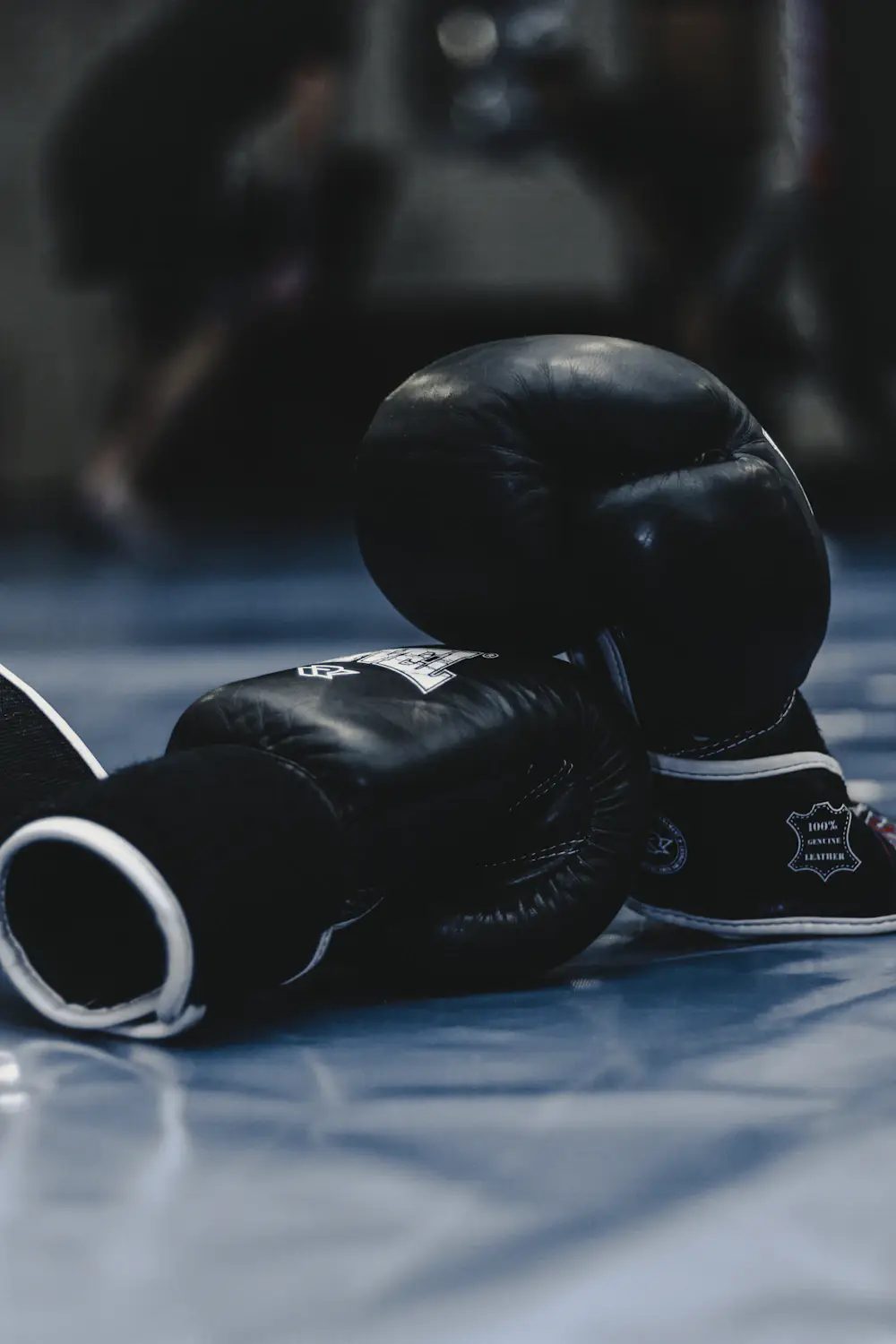
It is the cheapest item in boxing and the only one whose absence gets billed by a dentist. A cracked tooth does not grow back, and a crown costs more than ten mouthguards.
The good news: past about $35, you are no longer buying protection. You are buying comfort.
The verdict, by situation
Boxing, regular training: a single gel boil-and-bite. Moulded properly it stays put without clenching, and lets you breathe and speak. This is the right answer for the large majority of people.
MMA, Muay Thai, knees and elbows: a double. The extra jaw cushioning is worth the breathing penalty.
Braces, bridges, existing dental work: custom, from your dentist. Not comfort — insurance.
Avoid: the $5 one-piece. It deforms on a botched mould and absorbs very little.
| Type | Protection | Breathing | Speech | Typical price |
|---|---|---|---|---|
| Single, one-piece EVA | Low | Good | Fair | $5–$15 |
| Single, gel boil-and-biteTop pick | Fair | Good | Fair | $15–$35 |
| Double (upper and lower) | High | Restricted | Difficult | $25–$55 |
| Multi-layer, dense outer shell | High | Good | Fair | $35–$80 |
| Custom, dentist-made | Highest | Excellent | Good | $150–$400 |
What a mouthguard actually protects
Three things, in this order.
Teeth and lips — it stops tooth hitting tooth, and lip being crushed against enamel.
The jaw. By spreading impact across the whole arch instead of one point, it reduces the risk of a mandibular fracture.
And, indirectly, the brain. A well-fitted guard maintains slight separation between the jaws and absorbs part of the energy of an uppercut to the chin. The effect is real but modest — do not treat it as concussion protection.
What it does not do: make up for a low guard.
The types, and what separates them
Single boil-and-bite. One piece on the upper arch, EVA or gel, softened in hot water and bitten to take an impression. This is the standard, and rightly so — moulded well, it stays put without you clenching.
The difference between a $10 and a $25 guard shows up in material density and in how well the impression holds. The better one keeps its mould far longer.
Double. Two connected pieces, upper and lower. Better absorption, jaw held — but your mouth sits more open and breathing gets laboured as intensity rises. Necessary in MMA, overkill in boxing.
Multi-layer. A rigid outer shell over a soft base. The rigidity disperses the shock, the soft layer hugs the teeth. This is the closest thing to custom without a dental visit.
Custom. Impression taken in the chair, guard made in a lab. Perfect fit, optimised thickness, normal breathing. The only sensible choice if you have braces or restored teeth.
Moulding it without ruining it
This is where all the comfort is won or lost, and it is the step everyone rushes.
- Simmer the water, do not boil it. Boiling water over-softens the guard and it loses structure.
- Take the pan off the heat, then submerge the guard for 20 to 30 seconds — follow the instructions, materials differ.
- Dip it in cold water for one second so you do not burn yourself. No longer.
- Seat it on the upper arch, line it up on the front teeth, then bite firmly while sucking the air out and pressing with your tongue against the palate and your fingers against your cheeks, for 30 seconds.
- Set it in cold water to lock the shape.
Two classic errors: biting without sucking, which leaves a gap at the palate and lets the guard move; and moulding onto the lower teeth, which produces something unusable.
If it comes out wrong, most models can be re-moulded. Just start over.
Care, the part nobody does
Rinse it in cold water the moment it comes out of your mouth. Brush it with a toothbrush and no toothpaste once a week. Store it in its vented case, never in a closed damp bag.
Never leave it in a car in the sun — heat deforms it permanently.
Replace it when it is cracked, deformed, or no longer stays put without clenching.
Our picks
5Shock Doctor Gel Max
The US reference for a single boil-and-bite.
SISU Aero Guard
Very thin, and claims you can talk and drink with it in.
Opro Gold
Multi-layer, tier above.
Venum Challenger
The volume seller. The 'good enough' candidate of the selection.
Shock Doctor Double mouthguard
The double, included to document honestly how much breathing it costs.
What to remember
A mid-range single boil-and-bite, moulded properly, covers what nearly everyone needs for boxing. Doubles are for MMA; custom is for anyone with braces or restored teeth.
The mould matters more than the price: simmering water, bite and suck, set cold. And keep it in a vented case.
The rest of the protective kit is covered in the full gear guide, and your glove size is the other thing worth getting right before you spar.
Frequently asked questions
How do you mould a boxing mouthguard?
Bring water to a simmer, not a rolling boil, take it off the heat, submerge the guard for 20 to 30 seconds per the instructions, dip it in cold water for one second, seat it on your upper teeth and bite firmly while sucking the air out and pressing with your tongue and fingers for 30 seconds. Then set it in cold water. Most models can be re-moulded if the first attempt is off.
Single or double mouthguard for boxing?
Single, on the upper jaw, covers about 95% of what boxing asks for and lets you breathe and talk. A double guard protects the lower teeth and cushions the jaw better, but it restricts breathing — a real problem by round three. Keep doubles for MMA and disciplines with knee strikes.
How long does a boxing mouthguard last?
A season of regular use, less if it is deformed, cracked, or no longer stays put without clenching. A guard that moves protects badly because it transmits the shock instead of spreading it. And any guard that has taken a serious impact should be replaced even if it looks intact.
Do mouthguards prevent concussions?
Not reliably, and anyone claiming otherwise is selling something. A well-fitted guard keeps a small gap between the jaws and absorbs some of the energy of an uppercut to the chin, which is a real but modest effect. What it definitively does is protect teeth, lips and the jawbone.
What size mouthguard do I need?
Usually only two exist: youth, up to about age 11, and adult. The moulding does the fitting, not the size. An adult guard that extends well past the back molars can be trimmed with scissors before moulding — stop short of the last molars.
Related reading
GearHeavy Bag vs Free-Standing Bag: Which to Buy
Heavy bag vs free-standing bag: noise, apartments, feel, cost and drilling compared. Which one actually fits your space, and what each one costs to set up.
Boxing Glove Size Chart: Oz by Weight and Use
Boxing glove size chart by body weight and use, what oz actually means, how to measure your hand, and the fit test that saves you a return.